Alan Simpson
don’t sell the kids to save the economy

“It’s like being employed is only something that happens to other people.”
For a moment, park the competing claims from the latest round of Party conferences. The quote above was the most crushing comment from a young person that I’ve come across in a long while.
Sit with it for a moment. Let the reality sink in. Stealing prospects – and hope – from a whole generation is not what my generation was supposed to deliver.
Youth unemployment stands at record levels. Job centres rarely have jobs, and none that aren’t massively oversubscribed. On-line jobs sites are full of scams. And on-line applicants barely expect a reply, let alone an interview. ‘What jobs?’ is the question we should all be asking.
Before caricaturing NEETs as lazy or work-shy, take a hard look at the world facing those ‘Not in Employment, Education or Training’. There is a brutality to it that serves as an indictment of my generation of politicians rather than of the kids themselves. And in this, the Left bears more responsibility than the Right. To understand our culpability, let’s run through a few basics.
The Labour Right has always been more into cosmetic politics than social transformation. Managing capitalism (with benevolent societal aspirations) was the hallmark of its expectations. Often New Labour did so with great success. But behind the scenes little attention was given to the more destructive changes taking place in capitalism itself.
Letting money run riot
Thatcher and Regan launched the shift from production capitalism into finance capitalism. Luring New Labour into ‘productivity and growth’ obsessions locked it too into the process. Then the casino-driven race into AI put growth economics on steroids. Behind the scenes, leveraged finance began to call all the shots. This is where the jobs began to disappear.
For the record, I have never met a child under the age of 10 who didn’t want to do something useful when they grew up. A bus driver, a nursery teacher, a painter, an electrician, factory worker or builder, an astronaut or a super model – every child had an aspiration tucked away in their vision of the grown-up world they were heading into. It is the world speculative finance chews up and spits out.
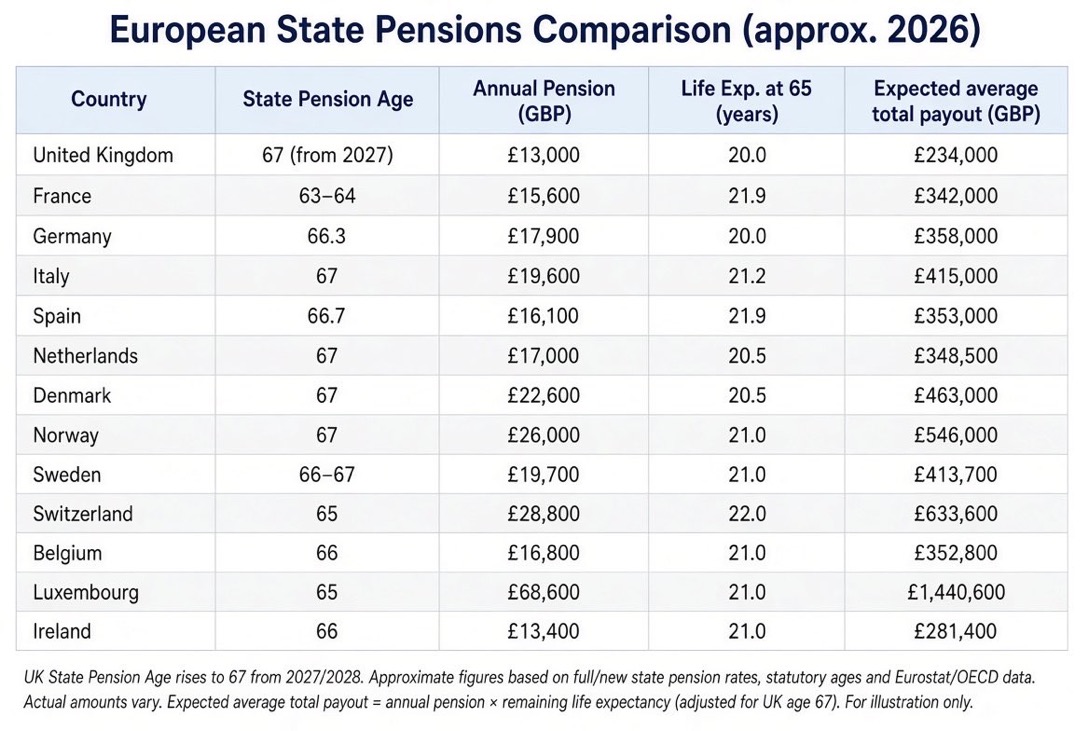
Instead, they turn us against ourselves. Often the press collude with the divisions and distractions. If we can’t blame it on the kids, then line up the elderly instead. It is the rare interview that doesn’t question whether, in these tough times, can Britain really afford the pensions ‘triple lock’? I’m not going to waste time on this, but put the question in perspective. Britain offers some of the poorest pensions in Europe. This isn’t where the redistribution debate should begin.
The hijacking of wealth, opportunity and social cohesion has taken place at a different level.
The Trump/Netanyahu war on Iran has saddled everyone with a crisis in oil prices. But instead of calls for a cut in taxes on diesel fuels, this should have triggered a race into alternatives.
Too much freight is being moved by road. Too much congestion results; too much damage to air quality. We ought to be following the better examples from elsewhere of moving freight by rail (and waterways), creating more localised supply lines and embracing last-mile delivery systems. All of these also kick in to more localised jobs and skills.
The Tories and Reform may be in a race to dump climate targets (and scrap the Environment Agency) but that world would not be kind to anyone. The climate roller coaster, and a more fractious climate of international politics, is going to make globalised supply lines more precarious. It is where Andy Burnham’s ‘politics of place’ offers a different starting point for the jobs agenda that must follow. And we can start this much closer to home.
Homes fit for … swimmers?
Begin with UK housing policy. The government has set challenging targets for what must be built. No less challenging is the fate of what is already constructed.
Aviva Insurance has just published research into the number of homes that could become uninsurable due to flood risk. Their figures are daunting –
- nearly a third of UK homes built in 2024 will be at risk of some flooding by 2050; one in seven would be at medium to high risk,
- one in nine homes built between 2022 and 2024 are at medium to high risk of flooding, and
- up to 115,000 new homes will be built in flood zones in the next decade.
Often, a home is the only asset a family has; not much comfort if it’s under water. Avoiding this will require a massive flood-resilience programme. This has to begin now and, of course, will create jobs.
No less challenging is the flip-side of the same coin. Periods of extreme heat and drought require a re-think of nature recovery programmes; programmes that must minimise the risk of runaway fires and environmental destruction. There’s jobs here too.
A National Resilience Corps?
In essence, we need to revisit the Roosevelt New Deal, re-branded as a Green New Deal. Instead of looking for jobs promoting mass consumption, flip the coin and focus on mass conservation and restoration. In doing so, we could even pinch ideas last incorporated in Peace Corps programmes.
In all the huffing and puffing about a boost to Defence spending, we overlook the role of the armed forces in peace-building rather than war-fighting. They have unparalleled experience of working in uncharted situations, setting up essential supply lines and delivering the necessary skill sets. This must now form the core of the UK’s climate resilience strategy.
It would also fill in another gap we tend to overlook. The collapse of factory-based employment opportunities has stollen huge opportunities from young people. It robs them of the experience of working together and with others of different generations. The internet age isolates more than it integrates. So many mental health issues flow from this.
Working in teams – with nature, with animals and wildlife – is as much an investment in mental health as national wealth. It is how we repair ourselves. This needs to be the deal we offer to all young (and maybe not-so-young) people.
So how do we pay?
This is where the Left becomes lazy. “Tax the rich!” is the standard response; as though our brain cells cannot reach any further. We need to dig a little deeper.
The financial crash of 2008 should have changed the relationship between the State and speculative finance, but it didn’t. The crash followed the bursting of the US housing ‘bubble’ that speculators had thrown zillions into. Central banks had to step in to create liquidity in markets that were crashing all around them. Covid triggered something of the same intervention needs. If/when it bursts, today’s AI bubble would do the same.
What we all failed to do was use this as the moment to impose statutory reserve requirements on banks. In the UK, all banks should be required to hold 2% of their assets as reserves; 1% of which they could hold themselves and 1% held by the Bank of England. The Bank of England element could then form the basis of a public sector National Resilience investment fund.
Britain should then follow the example of Germany’s KfW bank, loaning money for infrastructure renewal programmes at 1% interest. Private banks were encouraged to join in (with KfW ‘de-risking’ the process by carrying 50% of related insurance liabilities).
What this did was remove infrastructure investment from casino economics. Today, speculators could still gamble in the AI market, but not with the nation’s ecological survival.
Creating such a National Resilience fund would also underpin the basis of a UK-wide employment programme, offering real skills and real jobs to a generation of young people that has almost given up hope.
Go back to the opening quote. Having a job cannot be something that only happens to other people in other times. We owe so much more to the generations that follow. But we cannot offer less.
It’s the kids, not the casino, that must now come first.
Alan Simpson
October 2026